Studying abroad at Mahidol University in Thailand was one of the most transformative experiences of my life, not just academically, but personally. As a first-generation college student, studying abroad in a nontraditional location felt like a risky decision. But if you’re even considering it, this is your sign to go for it. Here’s the practical advice I wish someone had laid out clearly for me.
1. Apply scared.
You don’t need to feel “ready.” I definitely didn’t. Between finances, imposter syndrome, and fear of the unknown, there were so many reasons to think twice. Apply anyway. Scholarships like Gilman, university grants, and program aid exist for students. Ask questions, email advisors. Advocate for yourself even when you’re scared.
2. Budget intentionally and track everything.
Although Thailand is more affordable than many Western countries, that doesn’t mean you shouldn’t plan. It is easy to spend a lot of money if you're constantly comparing prices to the U.S. Build a realistic monthly budget for food, transportation, weekend trips, and emergencies. Use budgeting apps, keep a small emergency fund, get an international credit card and research international transaction fees. This clarity can give you a lot of peace of mind.
3. Respect the culture.
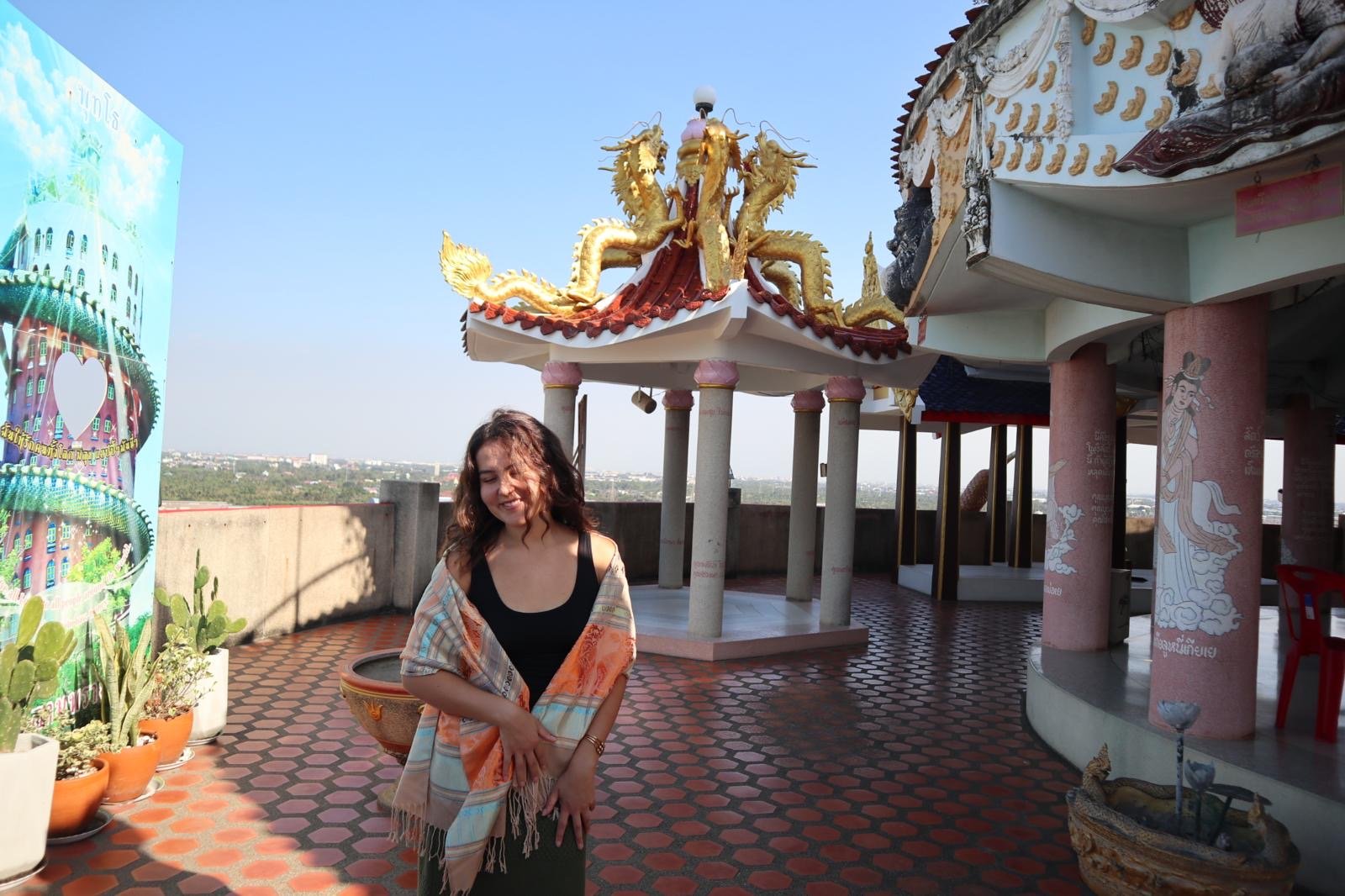
Thailand is known as the “Land of Smiles,” but cultural respect goes beyond friendliness. Learn basic Thai phrases. Understand dress expectations (especially at temples), take your shoes off when required, and observe before assuming. Cultural humility will open doors that tourism never can. Choosing to study abroad in Thailand was met with a lot of hesitation by a lot of people in my life because of all of the negative, false stereotypes that have been spread about Thailand. I took the responsibility of learning as much as I could, asking questions, and documenting the reality of the beauty on Thailand.
 4. Say yes, but protect your energy.
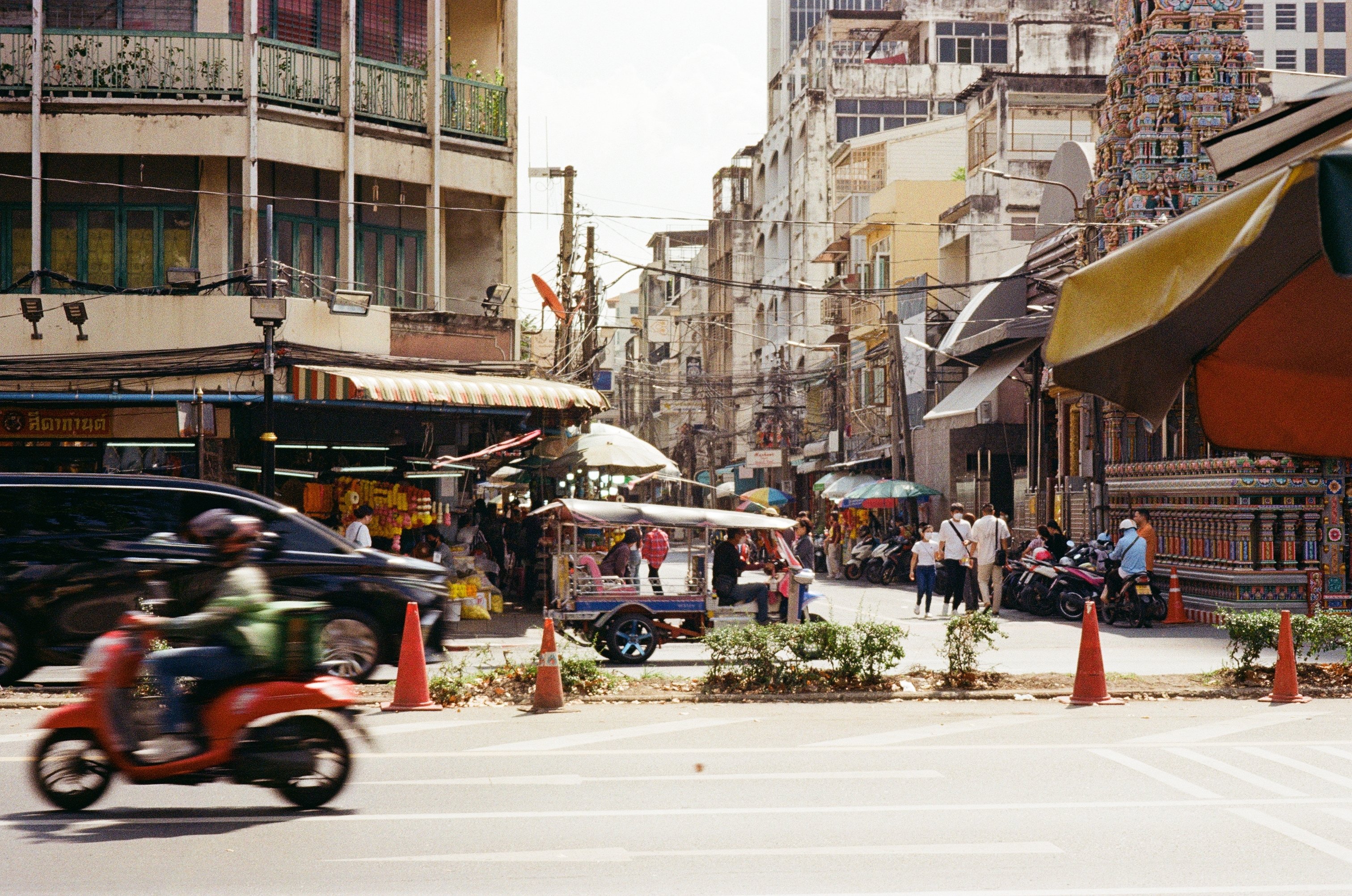
Studying abroad can feel like a constant highlight reel. Say yes to experiences, but also schedule rest. You don’t need to travel every weekend to make it meaningful. Some of my most grounding moments were spent exploring Salaya and finding community there.
5. Travel with intention.
Southeast Asia makes regional travel accessible and affordable. If you can, explore neighboring countries, but do it thoughtfully. It’s important to understand your position as an exchange student from the US and show up respectfully. Learn the history of the places you visit, research visas prior, and support local businesses. Remember that you are a guest. Tourism carries responsibility.
6. Stay connected to your “why.”
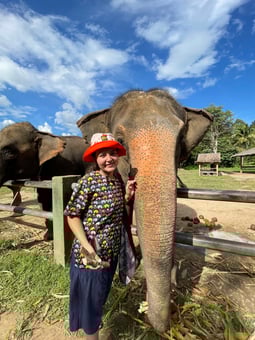
As a Public Health student passionate about global health, being in Thailand allowed me to observe healthcare systems, community structures, and cultural approaches to wellness in a completely new context. I learned so much about different avenues to careers in public health that intersected with my interests in public policy and international relations. Don’t just take classes, ask professors questions. Engage beyond the classroom. Study abroad is not an escape from reality, it is extremely powerful when you connect it back to your long-term professional goals.
7. Build community intentionally.
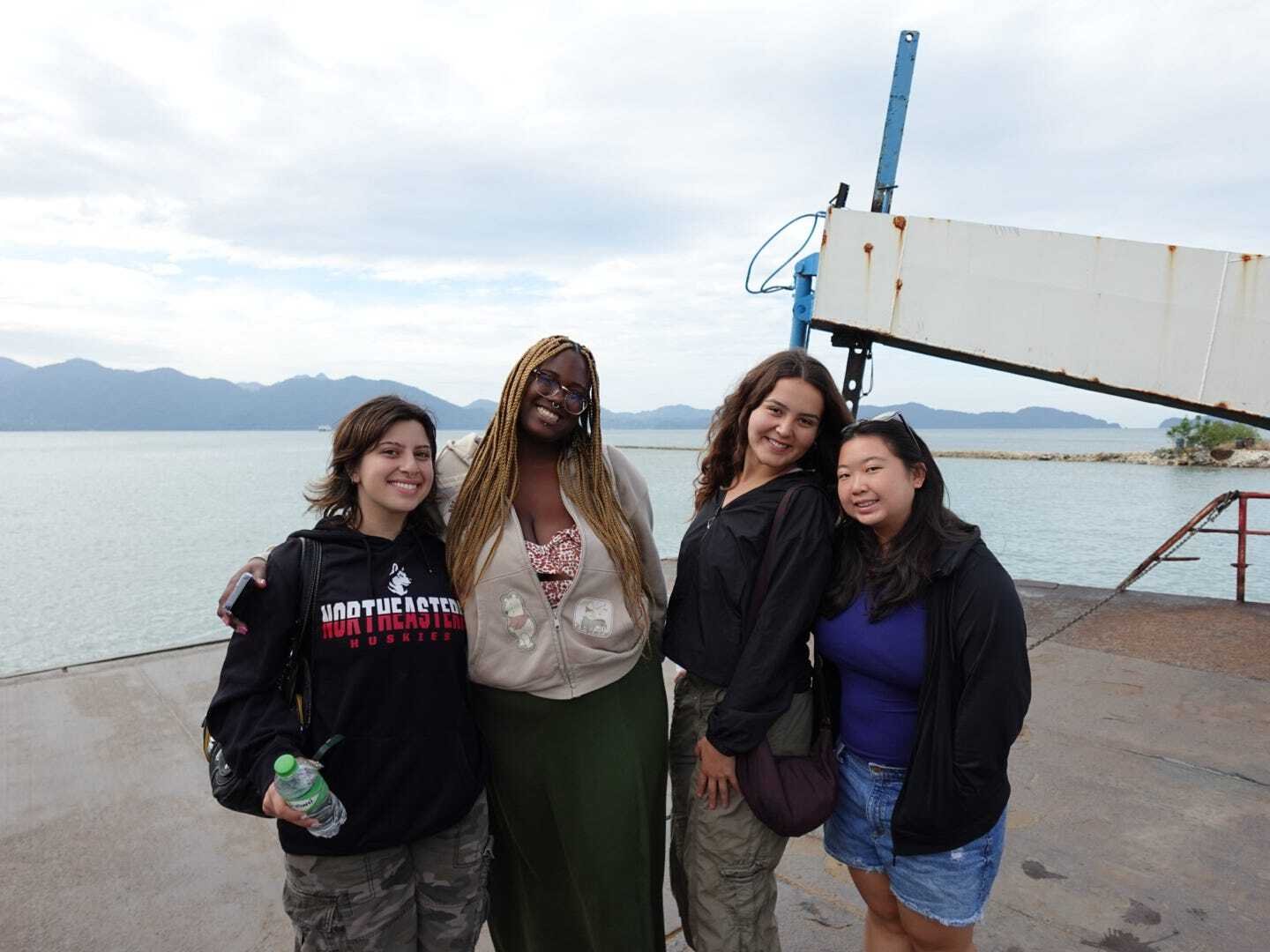
Homesickness will happen and come in waves. Find your people early, and make sure to not just make friends with exchange students, but also local students by introducing yourself first and sharing meals. Community abroad won’t automatically form, you have to participate in creating it.
 8. Document everything.
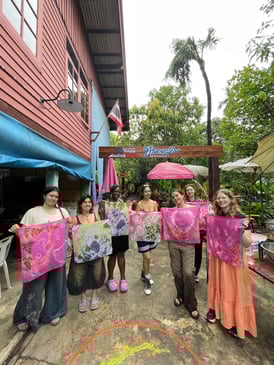
Journal, take photos, voice memo your reflections, or start a separate study abroad Instagram. The growth happens subtly, and you’ll want to remember who you were becoming in those moments.
Study abroad isn’t just a semester, it becomes a reference point for the rest of your life. If you’re a first-generation student, a pre-health student, or someone who has ever felt like studying abroad wasn’t a possibility for you, I promise you, the world is bigger than your fears.
It’s so important to advocate for yourself and go forward boldly and confidently in the direction of your dreams. While post-grad travel is most definitely possible, studying abroad is an extremely unique experience where you can live and learn in a new country all while being protected and having experiences facilitated by your study abroad program. Don’t be afraid to spend time researching scholarships, working with your school’s financial aid office, and finding ways to save to make this possible.
My semester in Thailand recharged me and made me so much more confident about my professional aspirations, personal values, and ability to build community, and ability to find belonging far away from familiarity. You belong in global spaces. And if I could do it, you absolutely can too.
Blog Gema Sanchez Gamez, Santa Clara University
Semester in Thailand, Fall 2025
Discover more about studying abroad in Thailand here!
Related Posts

What classes should I take in Greece?
I Don't Think I Am Doing This Right: How to Study Abroad the RIGHT Way