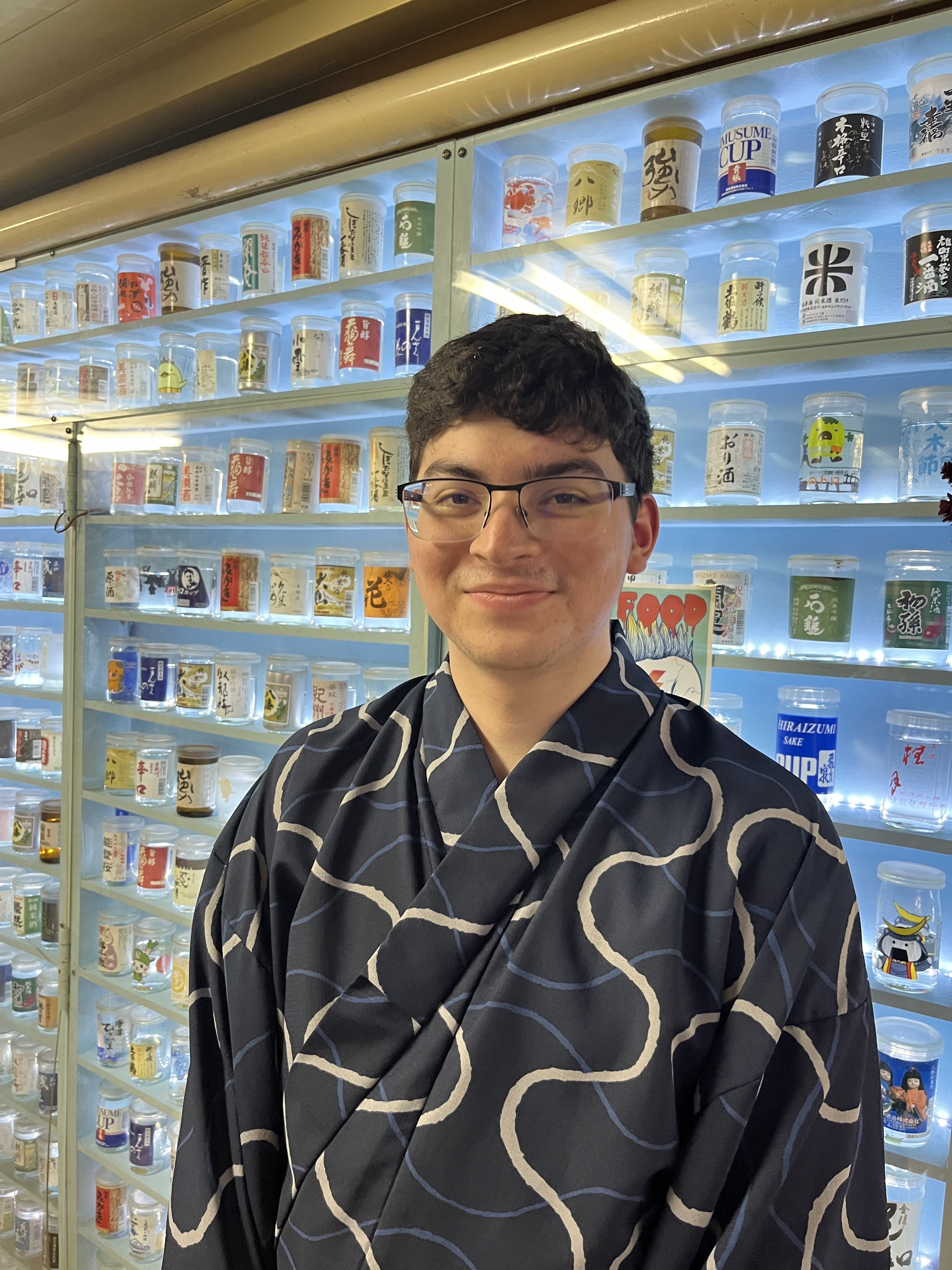
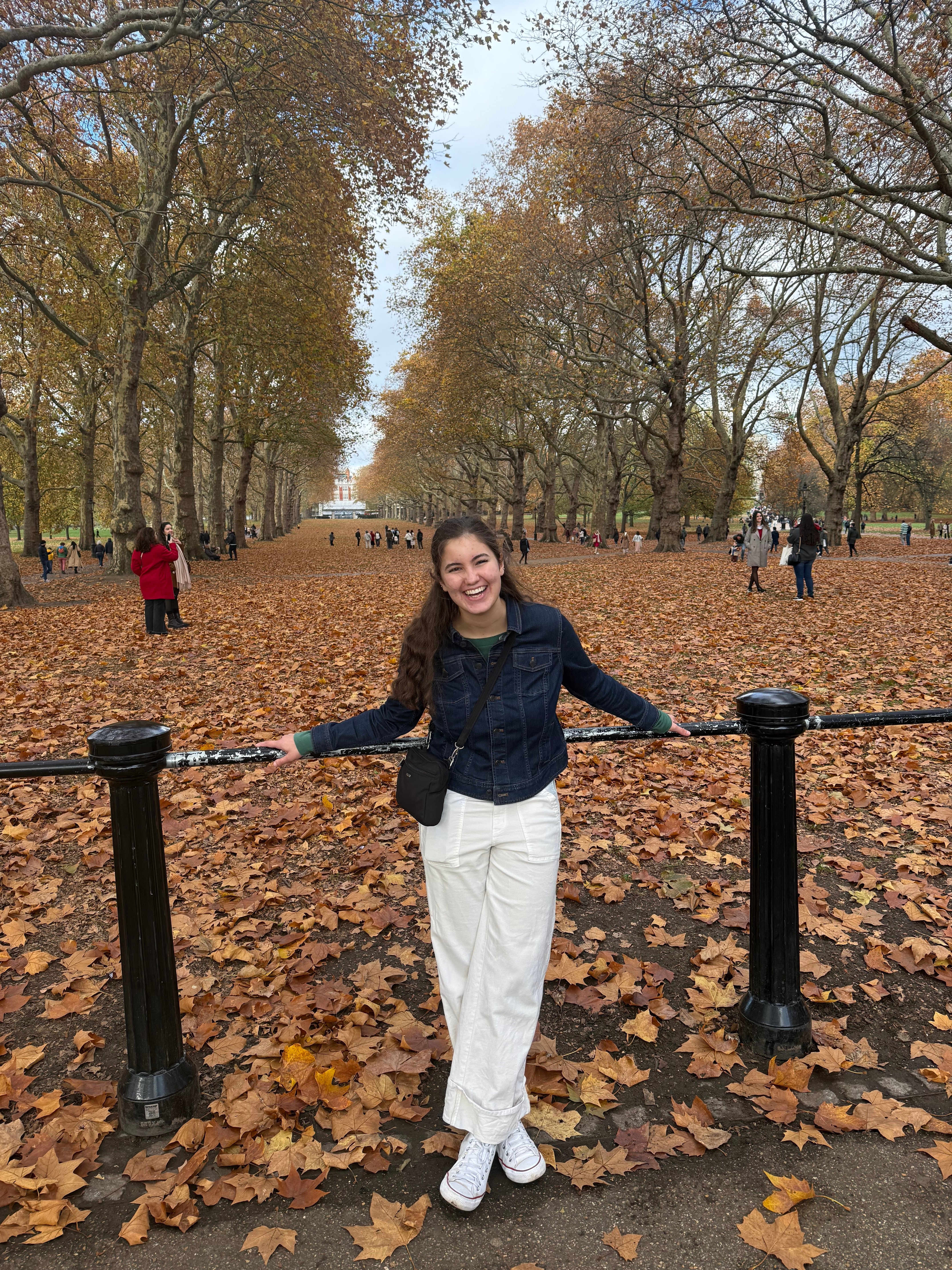
Hello! My name is McKenna Nestrick. I am majoring in English and minoring in Women's and Gender Studies at Carthage College. I have wanted to study abroad for quite some time, and I was exceedingly blessed to have the opportunity to study at the University of Roehampton in London for the fall term. I knew going into this experience that I wanted to make the most of the chance to try new things. However, I also knew that I am pretty good at doing things I already know I like and avoiding things I am not sure about (aren't we all?).
Taking this micro-credential helped me approach this semester abroad with clear goals and aspirations. I was able to take time every week to craft what my 'yes' meant to me. I now feel prepared to take this experience and use it as a tool for what lies ahead. This blog post is an amalgamation of layers I curated with the help of this micro-credential that helped me make the best use of my time this term and develop my take on the art of saying yes.
Layer 1: Evaluate Your Gut Reaction
Saying yes is an occasion. This occasion can come in many different situations. Some of the situations I encountered were as simple as trying new foods. Some were more daunting, like attending an event at a local church I wanted to scope out but didn't know anyone there. When the occasion presents itself, there is an initial gut reaction. If you are anything like me, your gut reaction to do something new may be to say, “No, I shouldn't do that”. I found it very important to evaluate why I had that gut reaction.
Sometimes, my gut knows that the thing in front of me is something I genuinely should not do or do not like. For example, I could choose not to go to a party I have been invited to because it starts too late into the night for me to feel safe going by myself. That is a good reason to say no. However, my experience this semester has taught me that more often than not, my gut reaction to say no was because I was afraid of trying something new. If that is you, the thing that I learned to do was name what I was afraid of. I found that the things I was most afraid of were trying something and not liking it or feeling awkward. I know that I can overcome both those things, but I became more confident when I started focusing on the positive possible outcomes.
Layer 2: Consider the Benefits
I'm not sure about you, but I have a knack for anticipating everything that could go wrong and using that as a framework for decision-making. To say yes to something that I might be scared to do, I needed to start naming all the things that could go right or the benefits I could gain from saying yes. The benefits from any given experience are unique to the specific situation, but there are also general things that the process of trying new opportunities yields.
This is where the NACE core competencies from the micro-credential can be invaluable. Doing the assignments each week helped me get familiar with the skills that the credential could build, and I was able to identify exactly what saying yes did for me. I found that saying yes helped me build skills such as dealing with ambiguity, managing stress, and being more flexible. As the semester progressed, I found that considering my personal goals was also super helpful. I would picture the kind of person I want to be in, say, ten years. Do I want to be a person who has stories to tell of all the different things I have tried? Do I want to be a person who is comfortable suggesting new things to try? Do I want to be a person who is down to go with the flow? Thinking about who I want to grow into being helped me come back to the purpose of saying yes in the first place, especially when I did not want to.
Layer 3: Get Some Accountability
 Up until this point, the layers have been focused on the thought process that I find helpful to go through before I give my yes. The point is to decrease anxiety and increase excitement. However, we have now reached the point where I actually have to say yes. Now what? This can often be the part where I feel the most anxious. Saying yes is one thing; following through is completely separate. Let's revisit the examples I gave in Layer One. I have had some opportunities to try new foods. At the CIS welcome dinner, prawns were ordered for the table. I have never tried prawns or eaten much seafood. I said yes to trying it, but I needed two things from people around me. One, I didn't know how to eat a prawn, so I needed someone who had before to show me. Two, another person in the group tried it with me at the same time, also for the first time. This is a small and perhaps silly example for all those who know that prawns are delicious. Still, it serves as a good illustration of the accountability I quickly established for myself in the moment, so that I didn't back out of trying something new when follow-up on my ‘yes’ was immediate.
Sometimes, saying yes is not so immediate, and I feel that it is much harder to follow through when there is time before I do. I decided to attend an event at a church I had begun attending on Sundays. I promised myself that I would go. However, once the day arrived, I began to feel acutely aware that I did not know anyone going, and the fear of being alone in a crowded room arose. I wanted to back out. I didn't have anyone who could accompany me to keep me accountable, so I decided to do the next best thing. I began texting my sister and telling her about my plan to go, as well as the fear that was beginning to arise. She and I went back and forth my whole journey there, and she reminded me that I was able to do hard things and was good at conversing with new people. That conversation was enough accountability to help me walk through the doors of the church event.
Layer 4: Reflection
 By the time I reached this layer, I had done the uphill part of the battle. However, there were still things that I could do to help me continue to get the most out of the novelty of my experiences. I found that dedicating time to reflecting on the new thing that I experienced did two big things for me. Firstly, it helped me appreciate what I had just done. Studying abroad can be a hectic time. It is essential not to build up a repertoire of new experiences and then promise yourself you will reflect on them once you get home. Reflection has the most significant benefit during the experience, not after at home (in my opinion).
It is good to make some mental notes (or physical notes if that floats your boat) of what the experience was like so you can really soak it in. The second thing that reflection did for me was help me build trust in myself and gain a deeper understanding of myself. That may sound a bit funny, but I found it to be true. I sat down and considered what I enjoyed, what I didn't, and whether I would do that thing again. It helped me develop a better sense of self and discover new things I either enjoyed or did not. It also helped me to build trust in myself.
If I tried something new and didn't enjoy the experience, I could take pride in having tried it, but I wouldn't subject myself to that experience again. This helped me continue to want to try new things, because I knew that if there was something I had tried before that I didn't enjoy, I wouldn't say yes just for the sake of saying yes. I was able to resist peer pressure and gain a deeper understanding of myself, including what I liked and disliked.
Blog by McKenna Nestrick, Carthage College
Interested in studying abroad in London? Check out available programs here!
Related Posts

A Month in Rome: Eating, Exploring, and Embracing Italian Life
Sustainable Fashion in London: My Study + Intern Abroad Experience